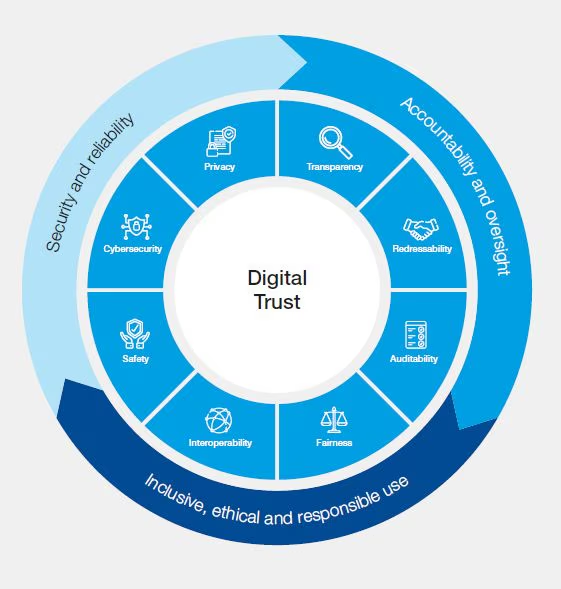
In today’s connected world, digital interactions have become a normal part of everyday life. From online shopping and remote work to digital banking and cloud services, people rely on technology they cannot physically see or control. This reliance makes digital trust more important than ever.
This article explains what digital trust is, why it matters, the factors that influence it, and how it impacts individuals, businesses, and society.
What Is Digital Trust?
Digital trust refers to the confidence users have in digital systems, platforms, and services to operate securely, reliably, and ethically. It is the belief that technology will protect data, respect privacy, and function as expected.
Without digital trust, people hesitate to share information, conduct transactions, or rely on online services.
Why Digital Trust Matters
Trust is the foundation of all relationships, including those in the digital environment. When users trust technology, they are more willing to engage, share data, and adopt new digital services.
A lack of trust leads to reduced adoption, reputational damage, and long-term economic consequences.
Digital Trust in Everyday Life
Digital trust influences daily activities such as online payments, social networking, cloud storage, remote collaboration, and e-commerce. Users often make trust decisions subconsciously based on experience and perception.
Core Elements of Digital Trust
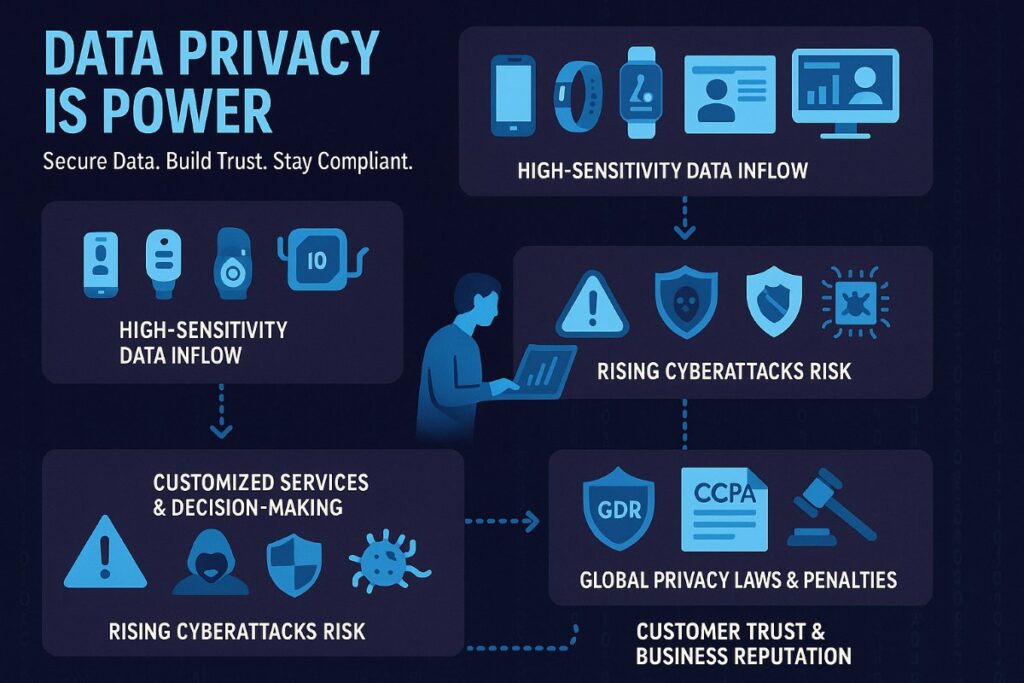
Security
Strong security measures protect systems from unauthorized access, data breaches, and cyber threats.
Privacy
Respecting user privacy and handling personal data responsibly is a key pillar of digital trust.
Transparency
Clear communication about data usage, policies, and system behavior builds confidence.
Reliability
Consistent performance and availability reinforce trust in digital services.
Ethical Use of Technology
Responsible and fair use of technology strengthens long-term trust.
Digital Trust vs Traditional Trust
| Traditional Trust | Digital Trust |
|---|---|
| Built through personal interaction | Built through systems and policies |
| Based on human behavior | Based on technology performance |
Digital Trust for Businesses
For businesses, digital trust directly affects customer loyalty, brand reputation, and revenue. Users prefer organizations that demonstrate security, transparency, and accountability.
Digital Trust and Data Protection
How organizations collect, store, and use data significantly influences trust. Poor data practices can permanently damage credibility.
Role of Cybersecurity in Digital Trust
Cybersecurity safeguards digital systems and prevents incidents that erode trust. Strong security practices are essential but not sufficient alone.
Digital Trust in E-Commerce
Online shoppers evaluate trust signals such as secure payments, clear policies, and reliable delivery before making purchases.
Digital Trust in Financial Services
Banking and financial platforms depend heavily on trust, as users share sensitive financial information.
Digital Trust in Cloud and Remote Work
Cloud services and remote collaboration tools require trust in data security, availability, and access control.
Factors That Erode Digital Trust
- Data breaches
- Lack of transparency
- Unclear privacy practices
- System outages
- Misuse of user data
Rebuilding Digital Trust After Incidents
Once trust is lost, rebuilding it requires transparency, accountability, and consistent improvements over time.
Digital Trust and Regulation
Regulations and standards aim to protect users and create a baseline for trustworthy digital practices.
Digital Trust and Emerging Technologies
New technologies introduce new trust challenges related to automation, data use, and system transparency.
Role of Users in Digital Trust
Users also play a role by making informed decisions, understanding privacy settings, and practicing safe digital behavior.
Common Misconceptions About Digital Trust
- Trust is guaranteed by technology alone
- Security automatically means trust
- Users do not care about data practices
The Future of Digital Trust
As digital systems become more complex, trust will increasingly depend on ethical design, transparency, and accountability.
Final Thoughts
Digital trust is the foundation of the modern digital economy. It enables innovation, collaboration, and growth while protecting users and organizations.
In a world driven by technology, trust is not optional — it is essential.