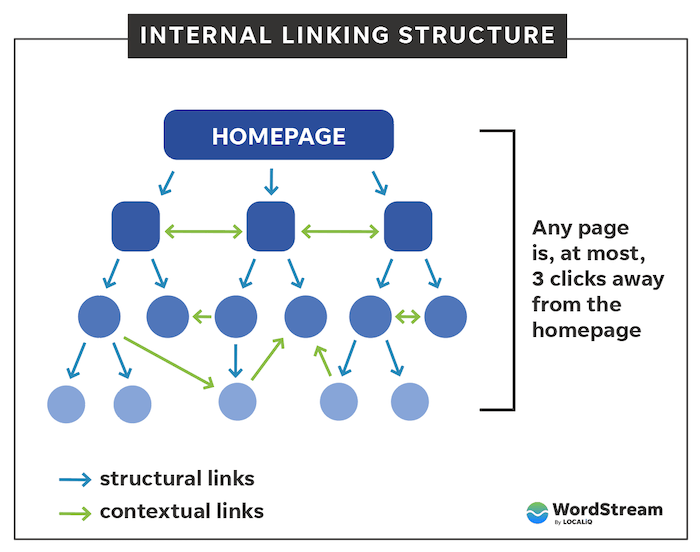
Internal linking is one of the most overlooked yet powerful SEO techniques. While external backlinks often receive the most attention, internal links play a critical role in shaping how search engines and users understand a website.
This article explains how internal linking improves SEO and website authority, and how a well-planned internal link structure supports long-term growth.
What Is Internal Linking?
Internal linking refers to linking one page of a website to another page on the same domain. These links help users navigate content and allow search engines to crawl and index pages more efficiently.
Why Internal Linking Matters for SEO
Search engines rely on internal links to discover content, understand relationships between pages, and distribute ranking signals.
How Internal Linking Works
Crawlability
Internal links guide search engine crawlers through a website.
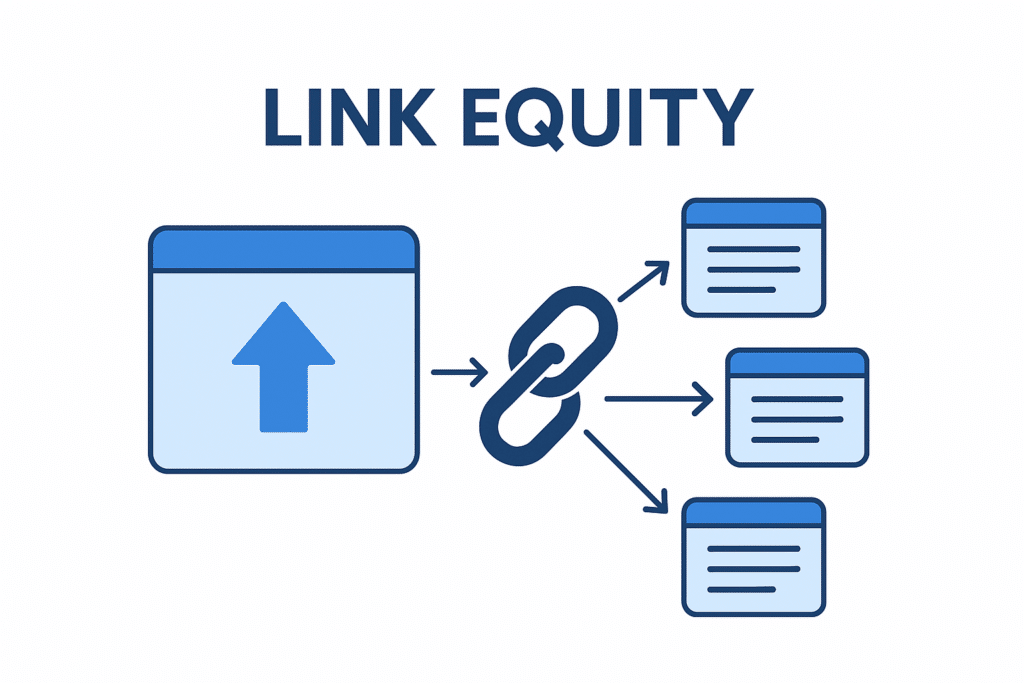
Link Equity Distribution
Authority flows from stronger pages to supporting content.
Topical Relevance
Internal links help establish topic relationships.
User Navigation
Links improve usability by connecting related content.
Internal Linking vs External Linking
| Internal Linking | External Linking |
|---|---|
| Within the same website | Between different websites |
| Fully controllable | Partially controllable |
Benefits of Strong Internal Linking
- Improved crawl efficiency
- Better page authority distribution
- Enhanced user experience
- Higher engagement and time on site
Internal Linking and Website Authority
Authority is shared across pages through internal links, strengthening the site as a whole.
Internal Linking for Blogs
Blogs benefit from contextual links between related posts.
Internal Linking for Business Websites
Service pages gain authority through strategic internal links.
Anchor Text Best Practices
Descriptive anchor text helps users and search engines understand link context.
Common Internal Linking Mistakes
- Over-optimization
- Broken links
- Orphan pages
- Irrelevant linking
Internal Linking and Content Silos
Silo structures strengthen topical authority.
Internal Linking and User Experience
Well-placed links encourage exploration and reduce bounce rates.
How Often Should You Add Internal Links?
Internal links should be added naturally where they add value.
Future of Internal Linking in SEO
As search engines become more sophisticated, internal structure remains vital.
Common Myths About Internal Linking
- Only homepage links matter
- More links always improve SEO
- Internal links don’t affect rankings
Final Thoughts
Internal linking is a foundational SEO strategy that improves visibility, authority, and usability. When implemented thoughtfully, it supports sustainable growth and stronger search performance.
A well-linked website is easier to navigate, crawl, and trust.