
Online credit card fraud is one of the most common financial crimes in the digital economy. As e-commerce and digital payments grow, fraudsters continuously develop new methods to exploit vulnerabilities in payment systems.
This article explains how credit card fraud happens online, the techniques fraudsters use, and how modern detection systems identify suspicious transactions.
What Is Online Credit Card Fraud?
Online credit card fraud occurs when unauthorized individuals use stolen or compromised card details to make purchases or transfer funds without the cardholder’s consent.
Why Online Credit Card Fraud Is Increasing
The rise of digital payments, global e-commerce, and stored card data has expanded the attack surface for fraud attempts.
How Credit Card Information Gets Compromised
- Data breaches
- Phishing attacks
- Malicious websites
- Compromised online stores
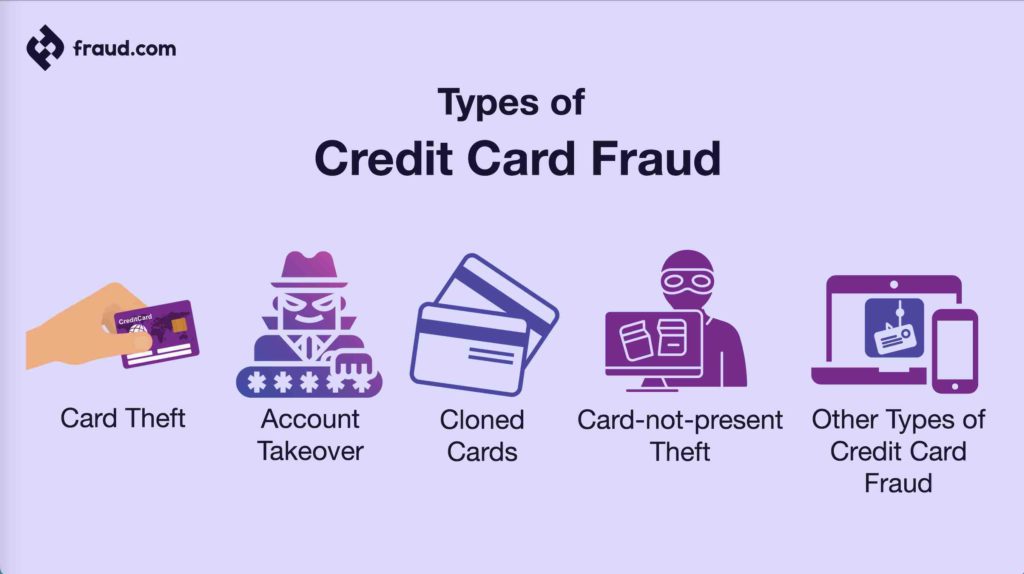
Common Types of Online Credit Card Fraud
Card-Not-Present Fraud
Fraudulent transactions where the physical card is not required.
Account Takeover Fraud
Attackers gain access to user accounts storing card information.
Subscription Fraud
Recurring charges made without authorization.
Testing Attacks
Small transactions used to verify stolen card details.
How Fraud Detection Systems Work
Transaction Pattern Analysis
Systems analyze spending behavior to detect anomalies.
Risk Scoring Models
Each transaction receives a risk score based on multiple factors.
Geolocation Monitoring
Unusual location changes trigger alerts.
Device and Browser Fingerprinting
Devices are analyzed for suspicious characteristics.
Velocity Checks
Rapid transaction attempts raise red flags.
Fraud Detection vs Fraud Prevention
| Fraud Detection | Fraud Prevention |
|---|---|
| Identifies suspicious activity | Blocks risky transactions |
| Reactive approach | Proactive protection |
Role of Banks and Payment Processors
Banks and processors monitor transactions in real time to protect cardholders.
Impact of Credit Card Fraud on Consumers
Consumers may face financial stress, disputes, and temporary loss of funds.
Impact on Businesses
Businesses deal with chargebacks, penalties, and reputational damage.
Why False Positives Occur
Overly strict systems may block legitimate transactions.
How Technology Is Improving Fraud Detection
Advanced analytics and automation improve accuracy.
Credit Card Fraud and Consumer Trust
Trust in digital payments depends on effective fraud controls.
Future of Online Credit Card Fraud Detection
Fraud detection continues to evolve alongside payment technology.
Common Myths About Credit Card Fraud
- Only careless users experience fraud
- Small transactions are harmless
- Fraud detection is fully automated
Final Thoughts
Online credit card fraud remains a significant challenge in the digital economy. Understanding how fraud occurs and how detection systems work helps consumers and businesses navigate online payments safely.
Secure payment systems are essential for sustaining trust in digital commerce.