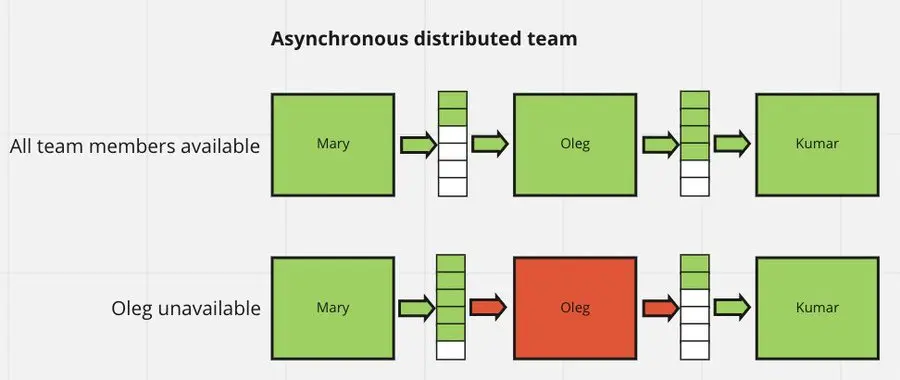
Remote work has transformed how teams communicate. As organizations become more distributed across time zones, traditional real-time communication methods often create bottlenecks instead of improving collaboration.
Asynchronous communication has emerged as a powerful alternative that allows teams to work more efficiently, reduce interruptions, and improve productivity.
What Is Asynchronous Communication?
Asynchronous communication refers to information exchange that does not require participants to be present or respond at the same time. Messages are sent, received, and answered when each person is available.
Why Asynchronous Communication Matters in Remote Work
Remote teams operate across different schedules, locations, and working styles. Asynchronous communication provides flexibility without sacrificing clarity or accountability.
Common Examples of Asynchronous Communication
- Project management comments
- Recorded video updates
- Shared documents
- Task boards and dashboards
Asynchronous vs Synchronous Communication
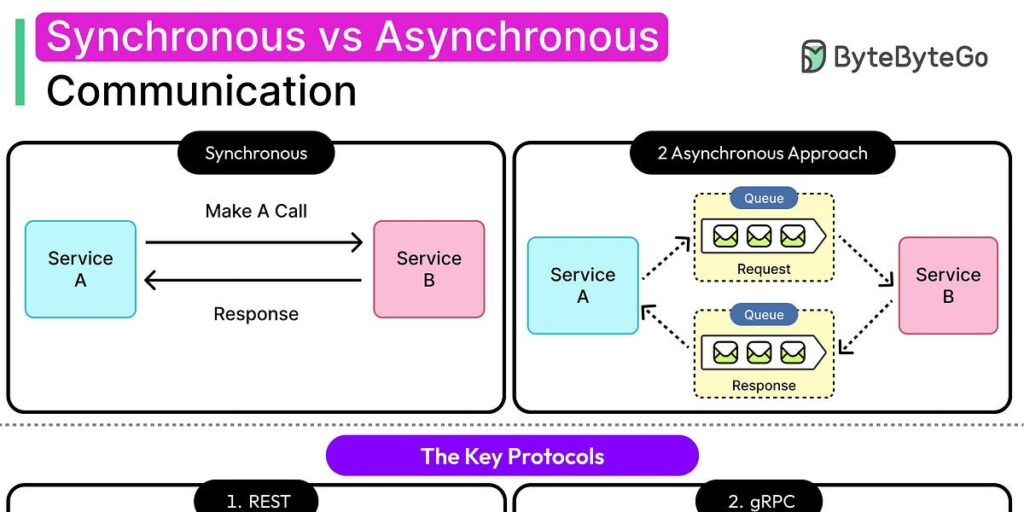
| Asynchronous | Synchronous |
|---|---|
| No real-time response required | Immediate response expected |
| Flexible scheduling | Fixed meeting times |
| Fewer interruptions | Frequent context switching |
How Asynchronous Communication Improves Productivity
Reduces Interruptions
Employees can focus on deep work without constant notifications.
Supports Global Teams
Time zone differences no longer block progress.
Encourages Thoughtful Responses
Messages are clearer and more structured.
Improves Documentation
Information remains accessible for future reference.
Enables Flexible Work Schedules
Team members work during their most productive hours.
Asynchronous Communication and Focused Work
Frequent meetings and instant messages fragment attention. Async communication protects concentration and reduces cognitive overload.
Impact on Employee Well-Being
Fewer urgent interruptions lead to reduced stress and burnout.
Asynchronous Communication for Managers
Managers gain better visibility into progress without micromanaging.
Asynchronous Communication for Teams
Teams collaborate effectively while maintaining autonomy.
Challenges of Asynchronous Communication
- Delayed responses
- Misinterpretation without tone
- Over-documentation
- Lack of urgency for critical issues
When Synchronous Communication Is Still Needed
Some discussions benefit from real-time interaction, such as emergencies, brainstorming, and conflict resolution.
Best Practices for Effective Asynchronous Communication
- Set clear expectations for response times
- Use structured messages
- Document decisions clearly
- Choose the right communication channel
Asynchronous Communication and Company Culture
Async-first cultures value trust, transparency, and results over constant availability.
Asynchronous Communication in Hybrid Work
Hybrid teams benefit from async methods to balance office and remote workers.
Future of Asynchronous Work
As remote work continues to grow, asynchronous communication will become a core productivity strategy.
Common Myths About Asynchronous Communication
- Async communication slows teams down
- Meetings are always more effective
- Async work reduces collaboration
Final Thoughts
Asynchronous communication is not about eliminating real-time interaction but about using it intentionally. When implemented correctly, it improves productivity, focus, and work-life balance.
For remote and distributed teams, async communication is a competitive advantage.