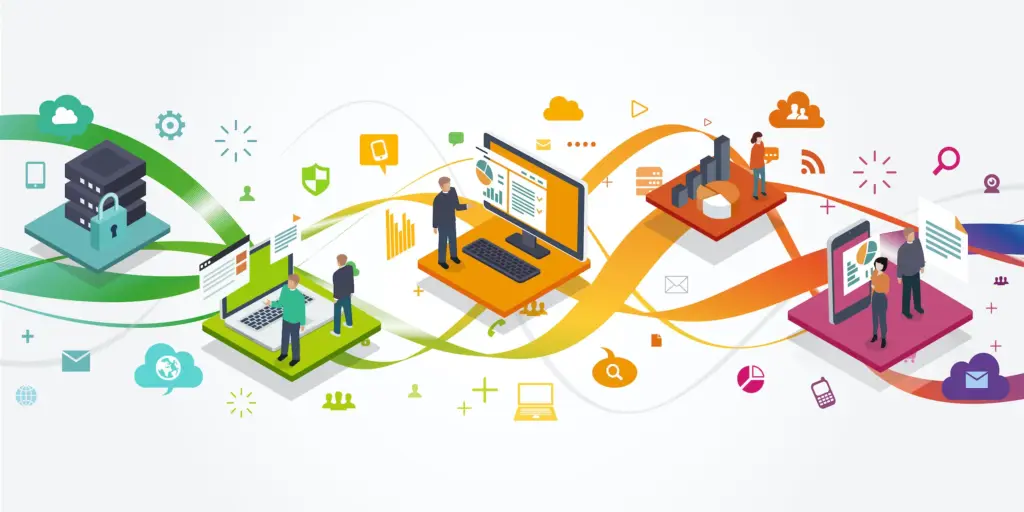
Digital transformation has become one of the most important strategic priorities for organizations across industries. As technology reshapes customer expectations and operational models, businesses must adapt to remain competitive.
This article explains what digital transformation is, how it impacts business operations, and why it has become essential for long-term growth.
What Is Digital Transformation?
Digital transformation refers to the integration of digital technologies into all areas of a business, fundamentally changing how organizations operate and deliver value.
Why Digital Transformation Matters
Markets evolve quickly, and customer expectations continue to rise. Digital transformation enables businesses to respond faster, operate more efficiently, and innovate continuously.
Digital Transformation vs Digitization
| Digitization | Digital Transformation |
|---|---|
| Converting analog to digital | Reimagining processes and models |
| Technology-focused | Strategy and culture-focused |
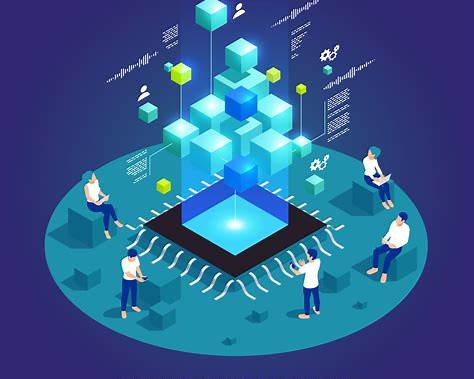
Core Areas of Digital Transformation
Business Processes
Automation and optimization streamline workflows and reduce manual effort.
Customer Experience
Digital tools enable personalized, omnichannel engagement.
Business Models
New revenue streams emerge through digital products and services.
Workplace and Culture
Collaboration, agility, and data-driven decision making become core values.
Technologies Driving Digital Transformation
- Cloud computing
- Data analytics
- Automation and AI
- Collaboration platforms
- Cybersecurity solutions
Impact on Daily Business Operations
Digital transformation changes how teams communicate, make decisions, and deliver results.
Digital Transformation for Small Businesses
Small businesses use digital tools to scale efficiently and compete with larger organizations.
Digital Transformation for Enterprises
Large organizations focus on integrating legacy systems with modern platforms.
Role of Leadership in Digital Transformation
Strong leadership ensures alignment between technology initiatives and business goals.
Challenges of Digital Transformation
- Resistance to change
- Legacy system limitations
- Skill gaps
- Security and compliance concerns
Digital Transformation and Data Strategy
Data becomes a strategic asset that informs decisions and innovation.
Digital Transformation and Customer Expectations
Customers expect fast, seamless, and personalized experiences.
Measuring Digital Transformation Success
Success is measured through efficiency gains, customer satisfaction, and revenue growth.
Common Misconceptions About Digital Transformation
- It is only about technology
- It happens overnight
- Only large companies need it
Future of Digital Transformation
Digital transformation will continue evolving as technologies and markets change.
Final Thoughts
Digital transformation is not a one-time initiative but an ongoing journey. Organizations that embrace change, invest in technology, and prioritize customer needs are better positioned for long-term success.
In a rapidly evolving digital economy, transformation is no longer optional—it is essential.