Every time information is shared online—whether sending an email, making a payment, or accessing a cloud service—it faces potential exposure to unauthorized access. Data encryption plays a critical role in protecting digital information from interception and misuse.
This article explains what data encryption is, how it works, and why it is essential for securing information in the modern digital world.
What Is Data Encryption?
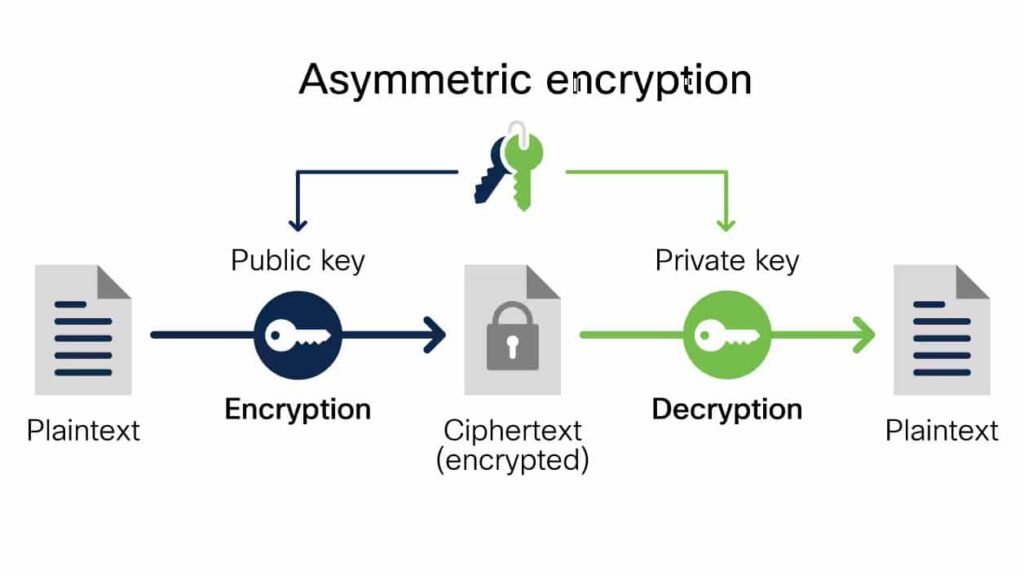
Data encryption is the process of converting readable information, known as plaintext, into an unreadable format called ciphertext. Only authorized parties with the correct decryption key can convert the data back into its original form.
Why Data Encryption Matters
Encryption ensures confidentiality, protects sensitive information, and maintains trust in digital systems.
Where Encryption Is Used Online
- Secure websites and online banking
- Email communication
- Cloud storage services
- Mobile applications
- Enterprise databases
How Data Encryption Works
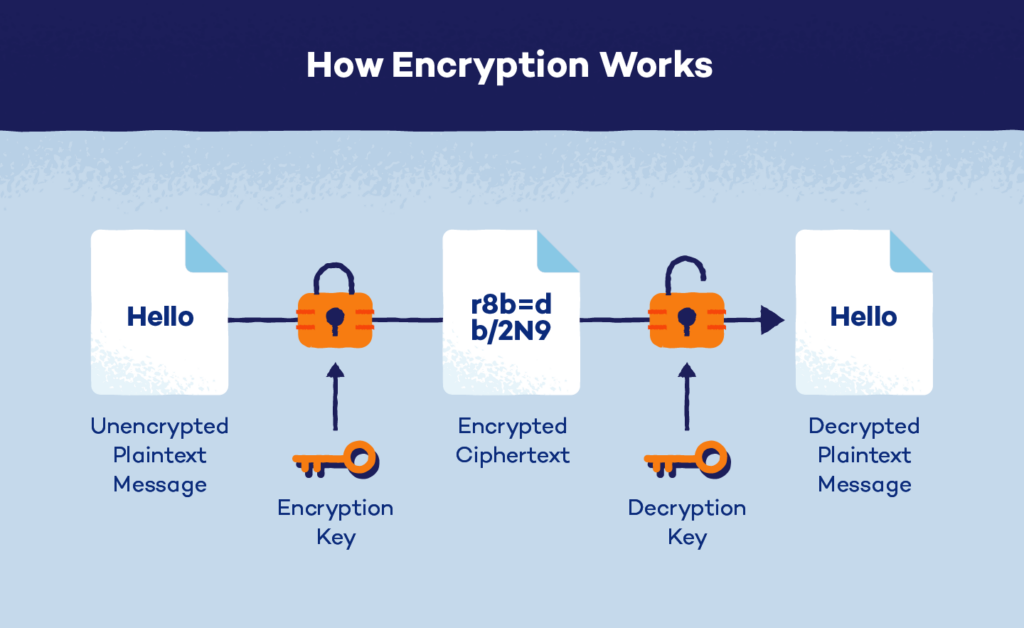
Plaintext Creation
Data begins in a readable format.
Encryption Algorithm
An algorithm applies mathematical transformations to the data.
Encryption Key
A key controls how the data is encrypted and decrypted.
Ciphertext Output
The encrypted data appears unreadable without the key.
Symmetric vs Asymmetric Encryption
| Symmetric Encryption | Asymmetric Encryption |
|---|---|
| Single shared key | Public and private key pair |
| Fast and efficient | More secure for key exchange |
Encryption in Web Browsing
HTTPS connections use encryption to secure data between browsers and servers.
Encryption and Online Payments
Payment systems rely on encryption to protect financial data.
Encryption and Cloud Security
Cloud providers use encryption to safeguard stored and transmitted data.
Benefits of Data Encryption
- Data confidentiality
- Protection against breaches
- Regulatory compliance
- User trust
Limitations of Data Encryption
- Key management complexity
- Performance overhead
- Human error
Encryption and Privacy
Encryption supports privacy by preventing unauthorized access to personal data.
Common Encryption Misconceptions
- Encryption makes systems completely secure
- Only large organizations need encryption
- Encrypted data cannot be compromised
Future of Data Encryption
Encryption technologies continue to evolve to address emerging threats.
Final Thoughts
Data encryption is a foundational technology that protects digital information across the internet. By transforming data into secure code, encryption ensures confidentiality and trust in online interactions.
As digital activity grows, encryption will remain essential for protecting information and maintaining security.