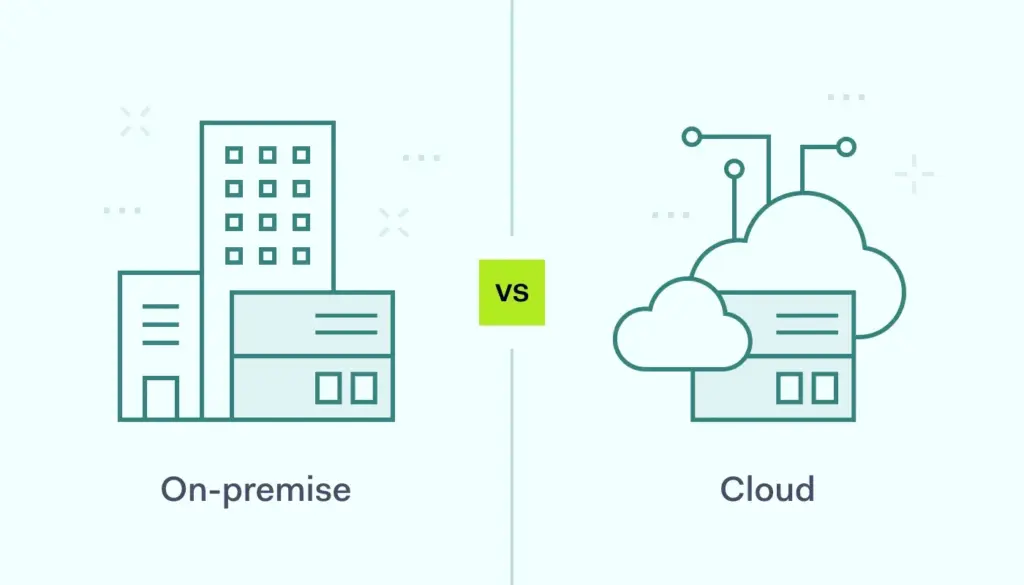
Businesses today rely heavily on digital infrastructure to store data, run applications, and deliver services. Two primary models dominate this space: cloud computing and traditional IT infrastructure.
This article explains the key differences between cloud computing and traditional infrastructure, how each model works, and their impact on businesses.
What Is Traditional IT Infrastructure?
Traditional IT infrastructure refers to on-premises systems where organizations own and manage physical servers, storage devices, networking equipment, and data centers.
These systems are installed and maintained within the organization’s facilities.
What Is Cloud Computing Infrastructure?
Cloud infrastructure delivers computing resources over the internet. Instead of owning hardware, businesses access servers, storage, and applications hosted by cloud providers.
Resources are scalable and managed remotely.
Why the Shift Toward Cloud Computing?
Organizations are increasingly adopting cloud solutions to reduce costs, improve flexibility, and accelerate innovation.
Architecture Differences Between Cloud and Traditional Infrastructure
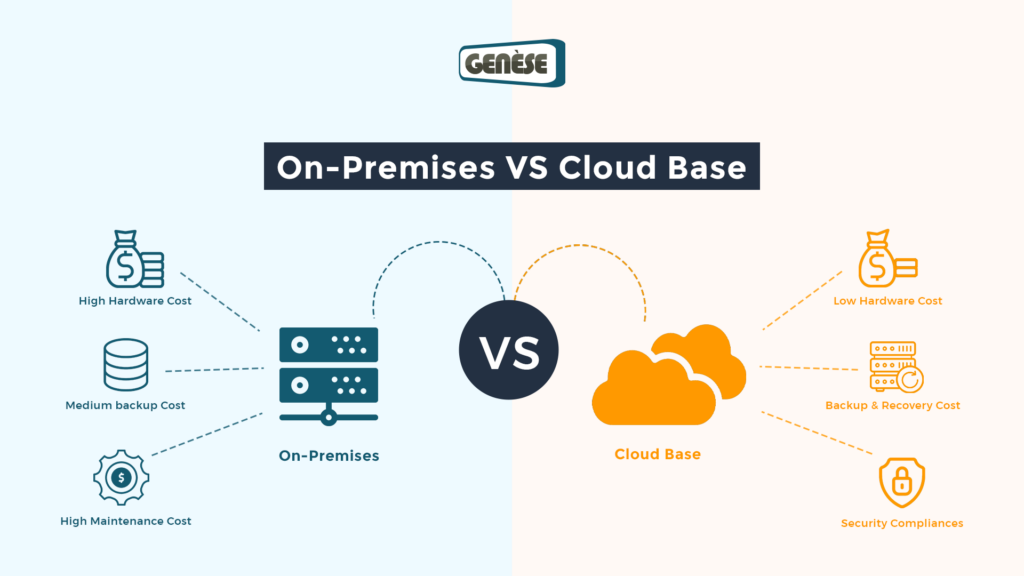
Traditional Infrastructure Architecture
Relies on physical servers, local networks, and in-house management.
Cloud Infrastructure Architecture
Uses virtualized resources hosted across distributed data centers.
Cost Structure Comparison
| Cloud Computing | Traditional Infrastructure |
|---|---|
| Operational expenses | Capital expenses |
| Pay-as-you-go | Upfront investment |
| Scalable costs | Fixed costs |
Scalability and Flexibility
Cloud computing allows organizations to scale resources up or down quickly. Traditional infrastructure requires planning, purchasing, and installation.
Maintenance and Management
In traditional environments, organizations manage hardware, updates, and repairs. Cloud providers handle infrastructure maintenance.
Security Considerations
Both models require strong security practices. Cloud providers invest heavily in security, while traditional infrastructure offers direct control.
Performance and Reliability
Cloud infrastructure benefits from global distribution and redundancy. Traditional systems depend on local resources.
Compliance and Control
Some industries prefer traditional infrastructure for regulatory or data control reasons.
Cloud vs Traditional Infrastructure for Small Businesses
Small businesses benefit from cloud affordability and scalability.
Cloud vs Traditional Infrastructure for Enterprises
Large organizations often use hybrid models combining both approaches.
Hybrid and Multi-Cloud Approaches
Hybrid infrastructure combines on-premises systems with cloud services.
Advantages of Cloud Computing
- Lower upfront costs
- Rapid deployment
- Global accessibility
- Automatic updates
Advantages of Traditional Infrastructure
- Full control
- Customization
- Predictable performance
Limitations of Each Model
- Cloud: Vendor dependency, ongoing costs
- Traditional: High maintenance, limited scalability
Choosing the Right Infrastructure Model
The right choice depends on business goals, budget, compliance needs, and growth plans.
Future of IT Infrastructure
Hybrid and cloud-first strategies are shaping the future of IT infrastructure.
Common Misconceptions
- Cloud is always cheaper
- Traditional infrastructure is obsolete
- Security is guaranteed
Final Thoughts
Cloud computing and traditional infrastructure each offer unique benefits and challenges. Understanding their differences helps organizations make informed technology decisions.
Choosing the right infrastructure is a strategic decision that impacts performance, cost, and scalability.