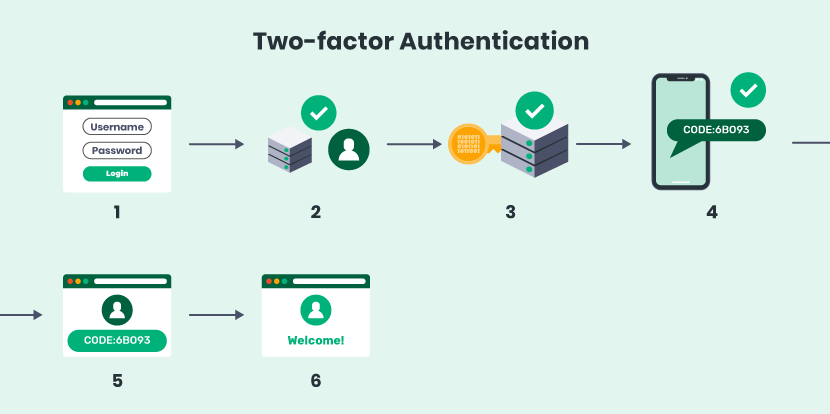
Online accounts are constantly targeted by cybercriminals. Passwords alone are no longer sufficient to protect sensitive data and personal information. Two-factor authentication (2FA) provides an additional security layer that significantly reduces the risk of unauthorized access.
This article explains how two-factor authentication works, why it matters, and how it protects online accounts.
What Is Two-Factor Authentication?
Two-factor authentication is a security process that requires users to verify their identity using two separate factors before accessing an account. These factors typically include something the user knows, has, or is.
Why Two-Factor Authentication Matters
Passwords can be stolen through phishing, malware, or data breaches. 2FA adds a second barrier that attackers must overcome.
How Two-Factor Authentication Works
After entering a password, users must provide an additional verification factor to complete the login process.
Common Types of Two-Factor Authentication
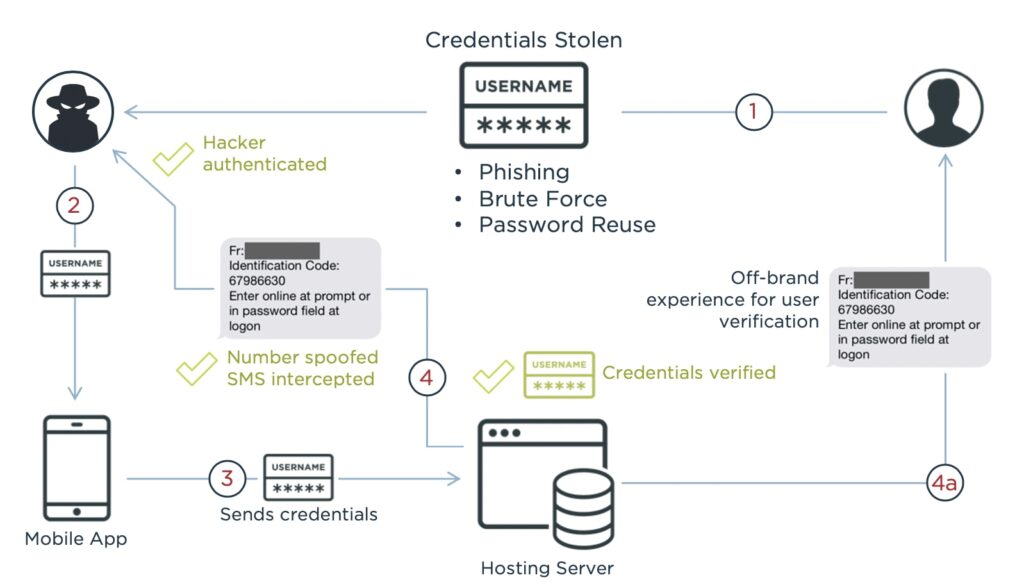
SMS-Based Verification
A one-time code is sent to the user’s mobile device.
Authentication Apps
Apps generate time-based codes for verification.
Hardware Security Keys
Physical devices provide strong authentication.
Biometric Authentication
Fingerprints or facial recognition confirm identity.
Two-Factor Authentication vs Password-Only Security
| Password-Only | Two-Factor Authentication |
|---|---|
| Single layer of protection | Multiple layers of security |
| Vulnerable to breaches | Significantly more secure |
Benefits of Two-Factor Authentication
- Reduced account takeover risk
- Improved data protection
- Enhanced user trust
- Compliance with security standards
Two-Factor Authentication for Individuals
Personal accounts such as email, banking, and social media benefit from 2FA.
Two-Factor Authentication for Businesses
Organizations use 2FA to protect employee and customer accounts.
Limitations of Two-Factor Authentication
- Dependence on mobile devices
- Potential user inconvenience
- SMS vulnerabilities
Two-Factor Authentication and Privacy
2FA improves security without exposing additional personal data.
Best Practices for Using Two-Factor Authentication
- Use authentication apps instead of SMS when possible
- Enable 2FA on critical accounts
- Store backup codes securely
Future of Two-Factor Authentication
Authentication methods continue to evolve toward stronger, user-friendly security.
Common Myths About Two-Factor Authentication
- 2FA is unnecessary
- It slows down productivity
- Hackers can bypass all 2FA methods
Final Thoughts
Two-factor authentication is one of the most effective ways to protect online accounts. By adding an extra verification step, users significantly reduce the risk of unauthorized access.
In an increasingly digital world, enabling 2FA is a simple yet powerful security measure.