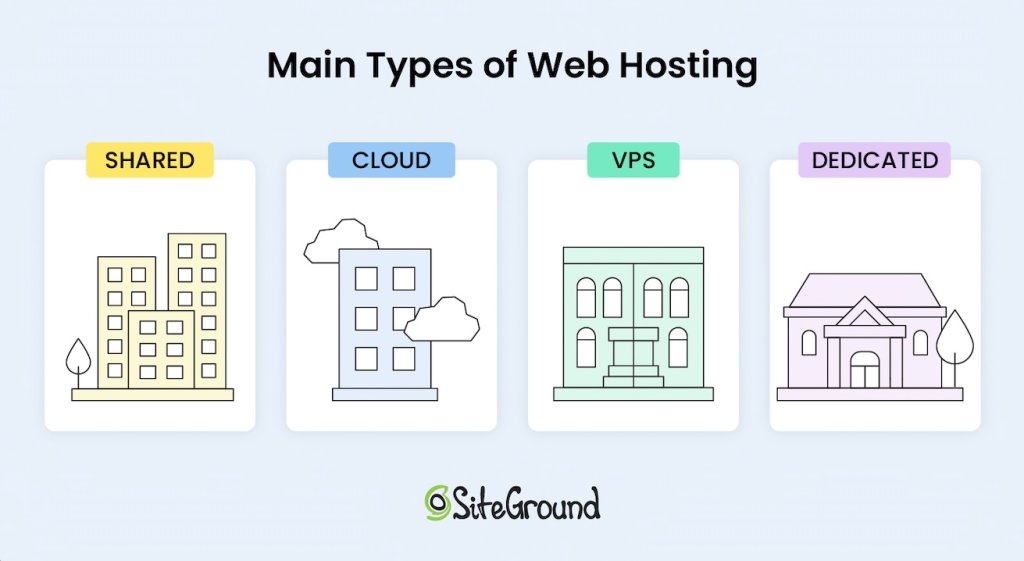
Choosing the right web hosting solution is one of the most important decisions when building a website. Hosting affects performance, reliability, scalability, and overall user experience.
This article compares shared hosting and cloud hosting, explaining how each works and which option may be right for different types of websites.
What Is Web Hosting?
Web hosting provides the server space and resources needed to make a website accessible on the internet. Hosting providers store website files and deliver them to users when requested.
Understanding Shared Hosting
Shared hosting places multiple websites on a single server, sharing resources such as CPU, memory, and storage.
Understanding Cloud Hosting
Cloud hosting distributes website resources across multiple interconnected servers, improving scalability and reliability.
How Shared Hosting and Cloud Hosting Work
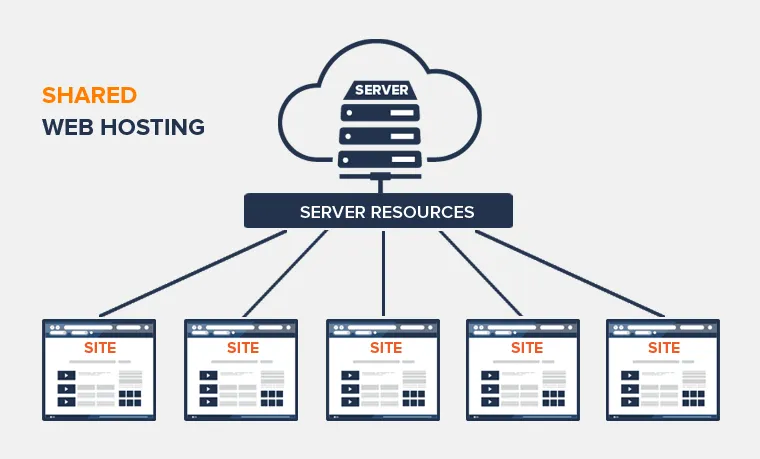
Shared Hosting Architecture
All hosted websites draw from the same server resources.
Cloud Hosting Architecture
Resources are allocated dynamically from a network of servers.
Shared Hosting vs Cloud Hosting
| Shared Hosting | Cloud Hosting |
|---|---|
| Lower cost | Higher scalability |
| Limited resources | Flexible resource allocation |
| Basic performance | High performance and uptime |
Performance Differences
Cloud hosting generally delivers faster speeds and more consistent performance.
Scalability Considerations
Cloud hosting scales easily as traffic grows, while shared hosting has fixed limits.
Reliability and Uptime
Cloud hosting reduces downtime through redundancy.
Security Considerations
Cloud environments offer enhanced isolation and monitoring.
Cost Comparison
Shared hosting is more affordable for beginners, while cloud hosting offers value at scale.
Which Hosting Is Better for Blogs?
Blogs with moderate traffic may start on shared hosting.
Which Hosting Is Better for Businesses?
Business websites often benefit from cloud hosting reliability.
Hosting for E-Commerce Websites
E-commerce sites require performance, security, and scalability.
Common Hosting Misconceptions
- Shared hosting is always slow
- Cloud hosting is only for large companies
- Hosting choice doesn’t affect SEO
Future of Web Hosting
Hosting continues to evolve with automation and cloud technologies.
Final Thoughts
Shared hosting and cloud hosting serve different needs. Understanding their differences helps website owners choose the best solution for performance, growth, and reliability.
The right hosting choice supports long-term success.