Chargeback fraud has become a serious challenge for online businesses, payment processors, and financial institutions. While chargebacks were designed to protect consumers, they are increasingly exploited in fraudulent ways.
This article explains what chargeback fraud is, how it occurs, and why it has become a growing problem in the digital economy.
What Is a Chargeback?
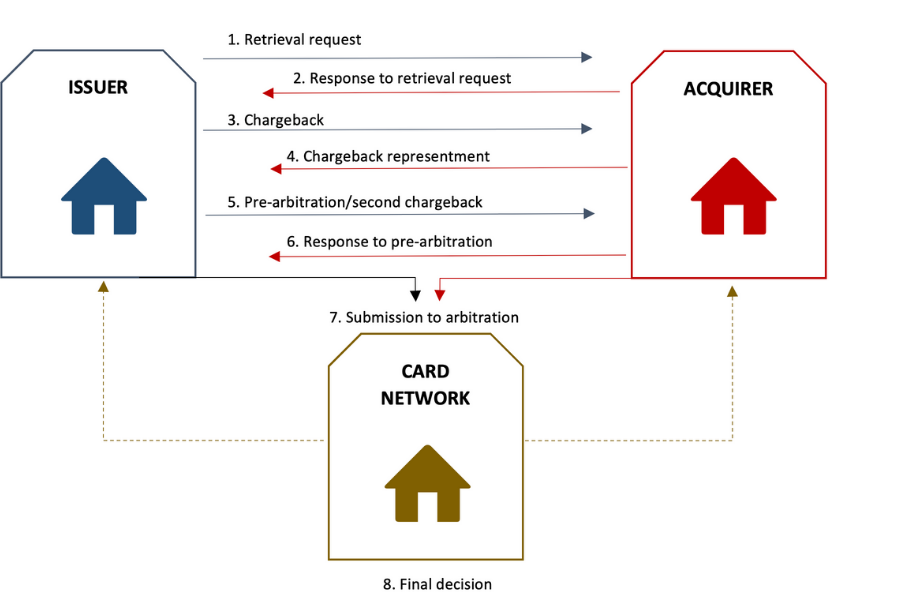
A chargeback occurs when a cardholder disputes a transaction with their bank and requests a reversal of funds. The bank temporarily refunds the cardholder while investigating the claim.
What Is Chargeback Fraud?
Chargeback fraud happens when a consumer falsely claims a legitimate transaction was unauthorized or incorrect to recover funds.
Why Chargeback Fraud Is Increasing
The growth of e-commerce, digital subscriptions, and frictionless payments has made chargeback abuse easier.
How Chargeback Fraud Works
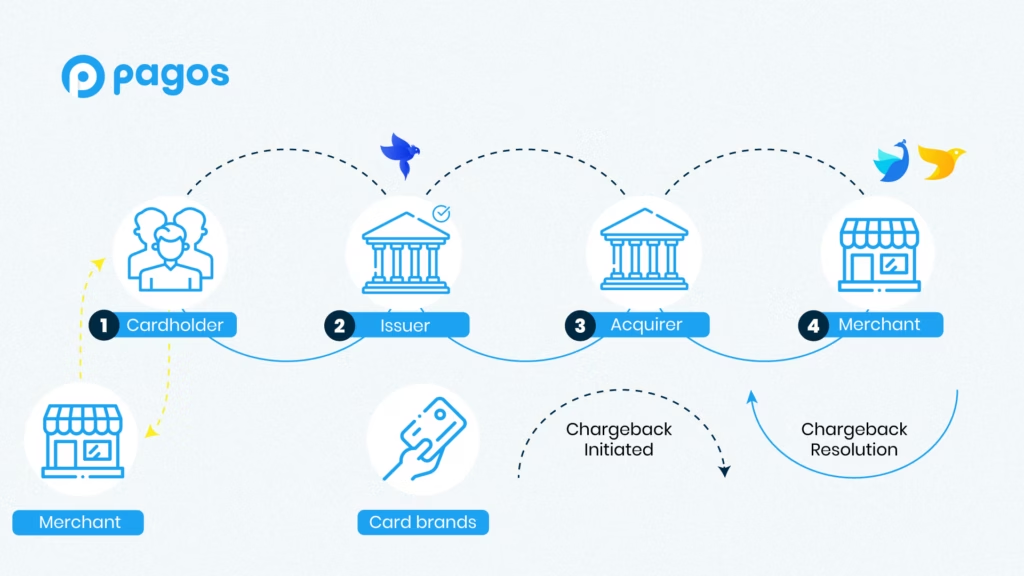
Purchase Completion
The customer completes a legitimate transaction.
Dispute Filing
The customer contacts their bank instead of the merchant.
Temporary Refund
The bank credits the cardholder during investigation.
Merchant Investigation
The business provides evidence to contest the claim.
Final Decision
The bank rules in favor of either party.
Types of Chargeback Fraud
Friendly Fraud
The most common form involving false disputes.
Subscription Abuse
Customers deny charges they knowingly agreed to.
Digital Goods Fraud
Users claim non-receipt of instantly delivered content.
Chargeback Fraud vs Legitimate Chargebacks
| Chargeback Fraud | Legitimate Chargeback |
|---|---|
| False dispute | Unauthorized transaction |
| Intentional abuse | Consumer protection |
Impact of Chargeback Fraud on Businesses
Businesses suffer financial losses, processing fees, and increased risk ratings.
Impact on Payment Processors
Processors face higher dispute ratios and operational costs.
Why Chargeback Fraud Is Hard to Detect
Fraudsters appear legitimate because they are real customers.
Role of Evidence in Chargeback Disputes
Documentation such as delivery confirmation and usage logs are critical.
Chargeback Fraud and Consumer Trust
Abuse undermines the integrity of consumer protection systems.
How Technology Helps Identify Chargeback Fraud
Behavioral analysis and transaction history support detection.
Preventing Chargeback Fraud
- Clear billing descriptors
- Transparent refund policies
- Customer communication
- Fraud monitoring tools
Future of Chargeback Fraud Management
Automation and analytics are improving dispute resolution.
Common Myths About Chargeback Fraud
- Only large companies are affected
- Chargebacks always favor consumers
- Fraud is always intentional
Final Thoughts
Chargeback fraud represents a growing threat in online commerce. Understanding how it works helps businesses and consumers protect the integrity of digital payment systems.
Balanced protection benefits both merchants and customers.