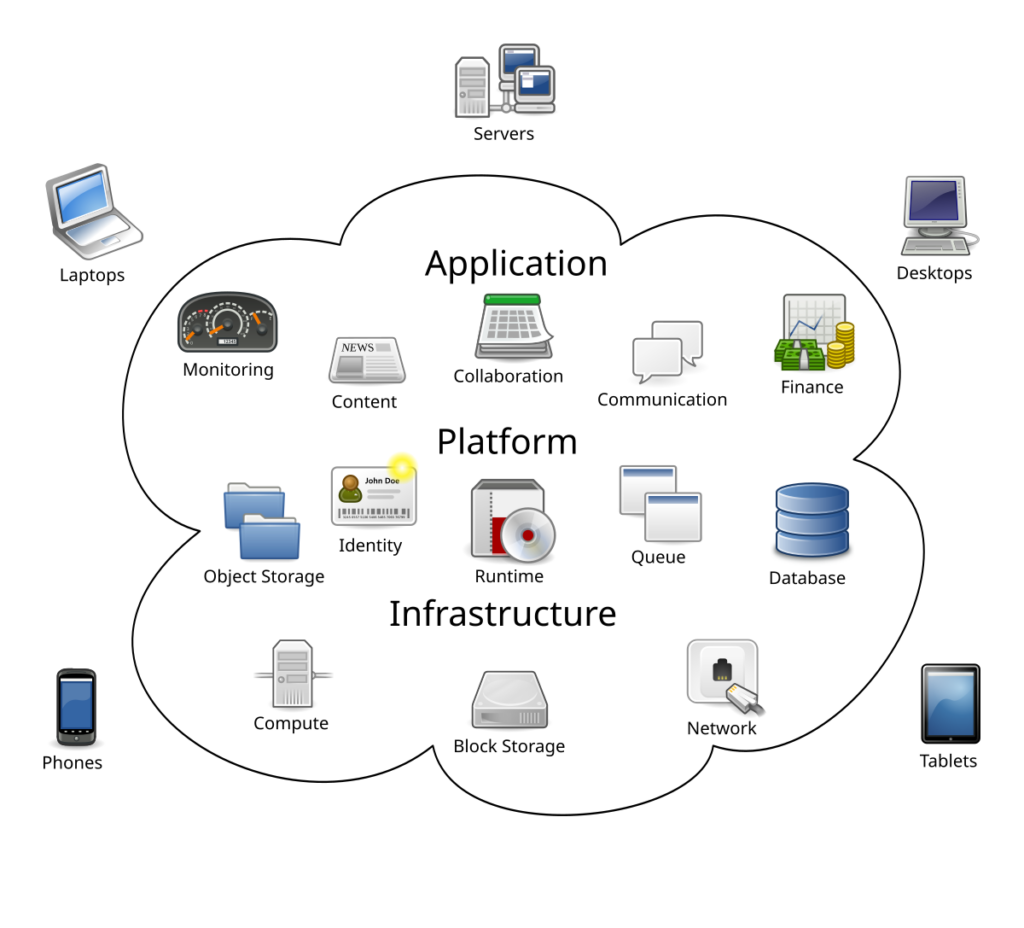
Cloud computing has transformed how digital services are built, delivered, and scaled. From streaming platforms and online banking to business applications and data storage, cloud technology powers much of the modern internet.
This article explains what cloud computing is, how it works, and why it plays a critical role in today’s digital ecosystem.
What Is Cloud Computing?
Cloud computing is the delivery of computing resources—such as servers, storage, databases, networking, and software—over the internet instead of local hardware.
Why Cloud Computing Matters
Cloud technology enables flexibility, scalability, and cost efficiency for organizations of all sizes.
How Cloud Computing Works
Cloud providers operate large data centers that host shared infrastructure accessible on demand.
Core Cloud Computing Service Models
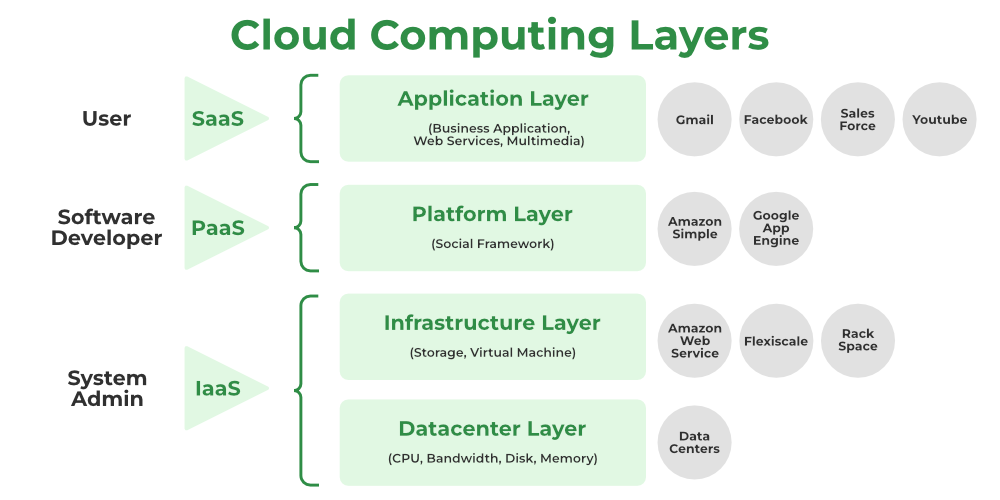
Infrastructure as a Service (IaaS)
IaaS provides virtualized computing resources such as servers and storage.
Platform as a Service (PaaS)
PaaS offers development platforms without managing infrastructure.
Software as a Service (SaaS)
SaaS delivers complete software applications via the internet.
Cloud Computing vs Traditional IT Infrastructure
| Cloud Computing | Traditional IT |
|---|---|
| On-demand resources | Fixed hardware |
| Scalable and flexible | Limited scalability |
Types of Cloud Deployment Models
- Public cloud
- Private cloud
- Hybrid cloud
Benefits of Cloud Computing
- Cost efficiency
- Scalability
- Global accessibility
- Automatic updates
Cloud Computing for Businesses
Businesses use cloud platforms to improve agility and reduce IT complexity.
Cloud Computing for Consumers
Consumers rely on cloud services for storage, communication, and entertainment.
Security in Cloud Computing
Cloud providers implement strong security measures, but shared responsibility remains.
Cloud Computing and Data Privacy
Data governance and compliance are essential in cloud environments.
Challenges of Cloud Computing
- Dependency on internet connectivity
- Vendor lock-in
- Compliance considerations
Cloud Computing and Innovation
Cloud platforms accelerate innovation by lowering barriers to entry.
Future of Cloud Computing
Cloud adoption continues to grow with automation and distributed computing.
Common Myths About Cloud Computing
- Cloud is less secure than on-premises systems
- Cloud computing is only for large companies
- Cloud means losing control of data
Final Thoughts
Cloud computing is a foundational technology that powers modern digital services. Understanding how it works helps individuals and organizations make informed technology decisions.
As digital demand grows, cloud computing will remain central to innovation and scalability.