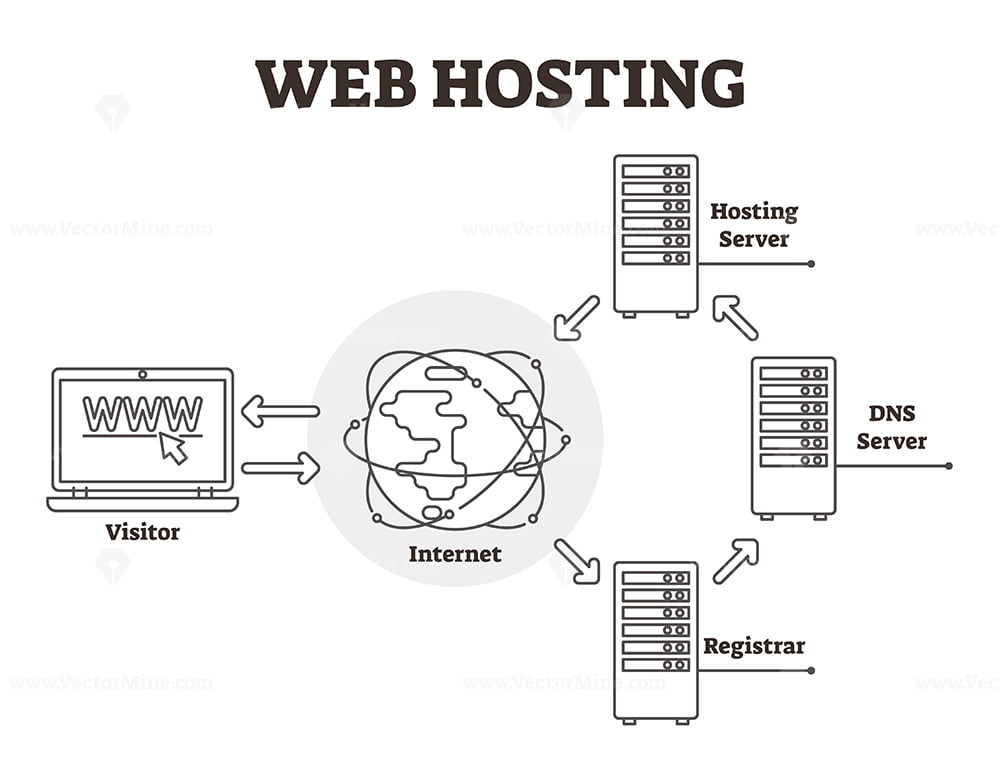
Every website you visit is hosted somewhere. Web hosting is the technology that makes websites accessible on the internet, allowing users to view pages, interact with content, and complete transactions.
This article explains what web hosting is, how it works, and why it plays a critical role in website performance and user experience.
What Is Web Hosting?
Web hosting is a service that stores website files on servers and delivers them to users through the internet. Hosting providers maintain the infrastructure that keeps websites online and accessible.
Why Web Hosting Matters
The quality of hosting affects speed, reliability, security, and scalability. Poor hosting can lead to slow loading times, downtime, and security risks.
How Web Hosting Works
Servers
Servers store website files and respond to user requests.
Data Centers
Data centers house servers and provide power, cooling, and connectivity.
Networking Infrastructure
Networks connect servers to users around the world.
Domain Name System (DNS)
DNS translates domain names into server locations.
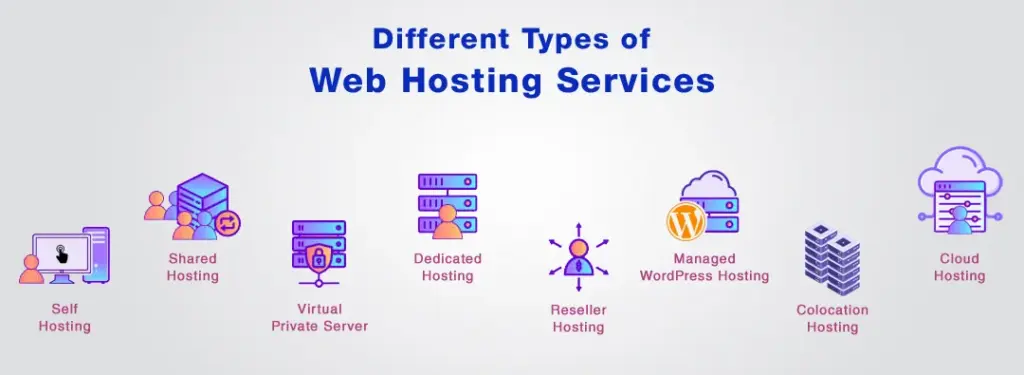
Types of Web Hosting
- Shared hosting
- Cloud hosting
- VPS hosting
- Dedicated hosting
Web Hosting vs Domain Registration
| Web Hosting | Domain Registration |
|---|---|
| Stores website files | Provides website address |
| Handles performance and uptime | Manages domain ownership |
Impact of Hosting on Website Speed
Server response time and resource availability directly influence page load speed.
Hosting and Website Reliability
Reliable hosting ensures high uptime and consistent accessibility.
Hosting and Security
Hosting providers implement security measures to protect websites.
Hosting and Scalability
Scalable hosting accommodates traffic growth without performance loss.
Hosting for Blogs
Blogs require stable performance and affordable hosting.
Hosting for Business Websites
Businesses need hosting that supports growth and reliability.
Hosting for E-Commerce Websites
E-commerce platforms demand speed, security, and uptime.
Common Web Hosting Issues
- Slow server response
- Downtime
- Resource limitations
- Security vulnerabilities
Choosing the Right Hosting Provider
Key factors include performance, support, scalability, and security.
Future of Web Hosting
Hosting continues to evolve with cloud computing and automation.
Common Myths About Web Hosting
- All hosting is the same
- Cheap hosting is always bad
- Hosting doesn’t affect SEO
Final Thoughts
Web hosting is a foundational element of every website. Choosing the right hosting solution supports performance, security, and long-term success.
Behind every fast, reliable website is a strong hosting infrastructure.