
Software is the invisible engine behind modern businesses and digital services. From internal operations and customer engagement to data analysis and global communication, software enables organizations to function efficiently and competitively.
This article explains how software powers modern businesses, the types of software commonly used, and why it is essential in today’s digital economy.
What Is Business Software?
Business software refers to applications and systems designed to support organizational operations, decision-making, and service delivery. These tools automate processes, manage data, and connect people.
Why Software Is Essential for Businesses
As business complexity grows, manual processes become inefficient. Software improves accuracy, speed, scalability, and visibility.
Software and Digital Services
Digital services rely on software to deliver functionality, personalization, and real-time access.
Core Types of Software Used in Businesses
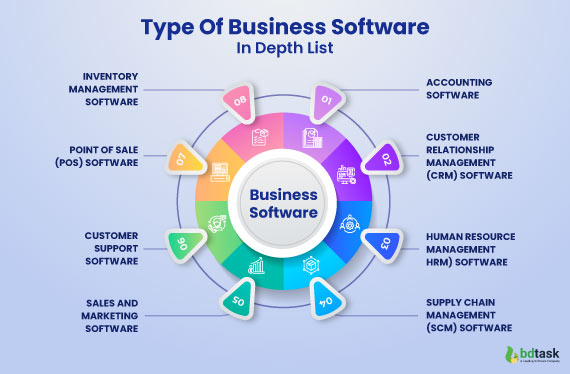
Productivity and Collaboration Software
These tools enable communication, task management, and teamwork.
Customer Relationship Management Software
CRM systems help manage customer interactions and data.
Enterprise Resource Planning Software
ERP systems integrate core business processes.
Accounting and Finance Software
Financial software supports budgeting, invoicing, and reporting.
Marketing and Analytics Software
These tools measure performance and guide marketing strategies.
Software vs Manual Processes
| Software-Based Processes | Manual Processes |
|---|---|
| Automated and scalable | Time-consuming |
| Data-driven | Error-prone |
Software and Operational Efficiency
Automation reduces repetitive tasks and improves productivity.
Software and Data-Driven Decisions
Analytics tools turn data into actionable insights.
Cloud-Based Software and Flexibility
Cloud platforms allow access from anywhere and scale easily.
Software Security Considerations
Protecting software systems is critical to prevent data breaches.
Software for Small Businesses
Small businesses use software to compete effectively with limited resources.
Software for Large Enterprises
Enterprises rely on complex systems to manage scale and operations.
Challenges of Software Adoption
- Integration complexity
- User training
- Cost management
- Security risks
Future of Business Software
Software continues to evolve with automation, analytics, and connectivity.
Common Misconceptions About Business Software
- More software always means better results
- Software replaces human judgment
- Only large businesses need advanced software
Final Thoughts
Software powers the modern business landscape by enabling efficiency, innovation, and scalability. Understanding its role helps organizations make smarter technology decisions.
In a digital economy, software is not optional—it is foundational.